The short answer: A mechanical contractor designs, installs, commissions, and maintains mechanical systems in commercial and industrial buildings — covering pipework, HVAC, gas, plant and machinery, pumping systems, and associated mechanical services. They operate at an engineering scale beyond domestic trades, working to formal qualifications, accreditations, and quality management standards.
The term “mechanical contractor” covers a broad scope of work, and it’s frequently misunderstood. A plumber is not a mechanical contractor. A maintenance technician is not a mechanical contractor. Understanding the difference matters when you’re specifying work, selecting a supply chain, or managing a project where the mechanical element is safety-critical, high-pressure, or complex.
A mechanical contractor takes responsibility for the complete delivery of mechanical systems — from design and procurement through to installation, commissioning, testing, and handover. On larger projects, this includes managing sub-contractors and coordinating with other trades to maintain programme. On maintenance and service contracts, it means planned preventative maintenance (PPM), reactive breakdown response, and planned shutdown work.
The scope of work a mechanical contractor can cover typically includes:
The distinction matters practically, not just technically. A plumber is qualified to work on domestic and light commercial water and heating systems. A mechanical contractor works on commercial and industrial systems that operate at different pressures, scales, and regulatory requirements.
| Factor | Plumber | Mechanical Contractor |
|---|---|---|
| Typical setting | Domestic properties, small commercial | Industrial sites, large commercial buildings, process facilities |
| Pressure systems | Low-pressure domestic systems | High-pressure process pipework, steam, compressed air, hydraulics |
| Pipe welding | Compression fittings, solder, push-fit | Coded pipe welding to BS EN ISO 9606, including 5G and 6G positions |
| Gas work | Domestic Gas Safe (ACS qualified) | Commercial and industrial Gas Safe, including industrial burner systems |
| Qualifications | NVQ Level 2/3, City & Guilds, ACS Gas | Coded welding, CSCS, Gas Safe commercial, Safe Contractor, ISO 9001:2015 |
| Project scope | Single-trade domestic or light commercial | Multi-trade, multi-discipline, safety-critical or process-critical systems |
| Regulatory oversight | Building Regulations Part P/L | Pressure Systems Safety Regulations 2000, Gas Safety (Installation and Use) Regulations, CDM |
Qualifications and accreditations are the primary way to verify that a mechanical contractor can legally and competently carry out the work you need. The key ones to look for are:
Planned preventative maintenance is a scheduled programme of inspections, servicing, and minor works designed to keep mechanical systems operating reliably and prevent unplanned failures. It’s a core part of what mechanical contractors offer alongside installation work.
For industrial and commercial operators, the business case for PPM is clear:
A PPM contract with a mechanical contractor typically includes a schedule of visits, defined tasks at each visit, written service records, and a mechanism for flagging defects found during inspection. More comprehensive contracts include an element of reactive cover — a defined response time for emergency callouts.
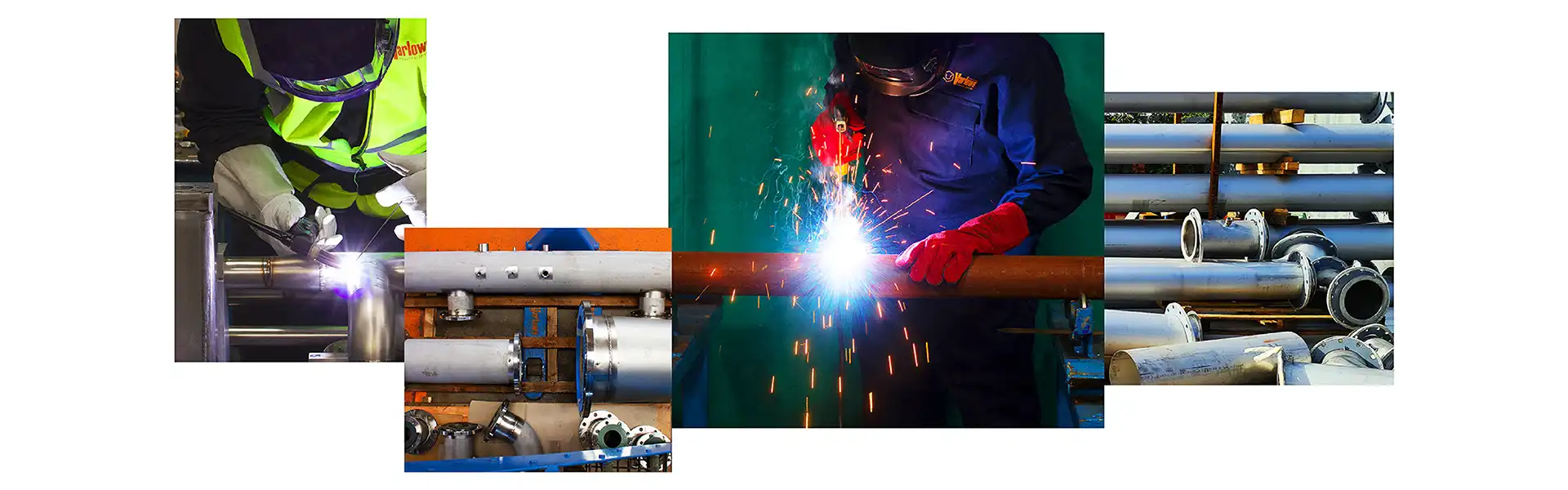
For most industrial mechanical contractors, pipework is the backbone of the business. Industrial process pipework operates at higher pressures and temperatures than commercial services, carries a wider range of media (steam, hydraulic fluid, compressed air, process gases, chemicals), and is subject to the Pressure Systems Safety Regulations 2000 in the UK.
Key distinctions in industrial pipe work:
You need a mechanical contractor — rather than a general maintenance team or domestic trade — in the following situations:
Beyond accreditations, the practical questions to ask when selecting a mechanical contractor are:
Varlowe Industrial Services is a mechanical contractor based in Wolverhampton, delivering industrial pipework, gas, heating, pump and plant maintenance, motor repair, and gearbox refurbishment to clients across the West Midlands and nationally on shutdown and project work.
Our mechanical contracting team hold Gas Safe registration, coded welding qualifications to BS EN ISO 9606, and operate under ISO 9001:2015 quality management. We carry out both capital installation work and planned maintenance contracts, with emergency reactive cover for critical plant.
For more information on our services, please visit our services page or contact us to discuss your requirements.
A mechanical contractor designs, installs, commissions, and maintains mechanical systems in commercial and industrial buildings. This includes pipework, HVAC and ventilation systems, gas installations, plant and machinery, pumping and pressurisation systems, and mechanical handling equipment. Most mechanical contractors offer both planned maintenance and reactive breakdown cover.
Plumbers work on domestic water supply, drainage, and heating systems. Mechanical contractors work on commercial and industrial-scale systems, which operate at higher pressures, involve more complex plant, and require engineering knowledge to design and commission. Commercial and industrial mechanical work typically requires Gas Safe registration, coded welding qualifications, and specific plant certifications.
Key qualifications for industrial mechanical contractors include Gas Safe registration for any gas work, coded welding to BS EN ISO 9606 for pipework, relevant NVQ or apprenticeship trade qualifications, and Safe Contractor or equivalent health and safety accreditation. ISO 9001:2015 quality management certification demonstrates a formal quality system. Varlowe holds all of the above.
Hire a mechanical contractor when you need installation or maintenance of industrial pipework, process plant, gas or heating systems, compressed air or pneumatic systems, pumping systems, or plant and machinery beyond the scope of a domestic trade. Also use a mechanical contractor for planned preventative maintenance (PPM) programmes to reduce unplanned downtime.
Yes. Varlowe Industrial Services provides full mechanical contracting from their Wolverhampton base, including industrial pipework, gas, commercial heating, pump systems, motor repair, and gearbox refurbishment. They are Gas Safe registered, Safe Contractor accredited, and ISO 9001:2015 certified.